

Balancing energy efficiency and cost for oil immersed distribution transformers
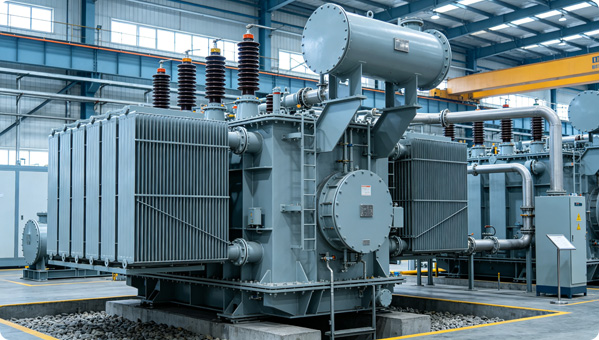
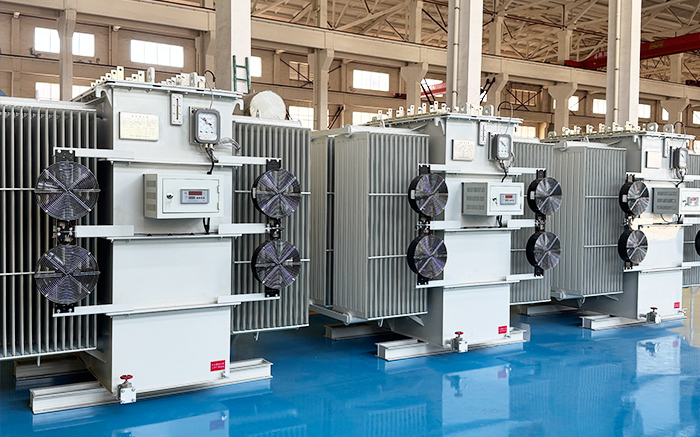
Oil immersed distribution transformers are the most numerous type of transformer in the power system, directly supplying power to end users. From rural distribution areas to urban residential distribution rooms, oil immersed distribution transformers are responsible for reducing 10kV or 35kV voltage to 400V user voltage.
Energy efficiency upgrade is currently the main theme. The new energy efficiency standards have put forward higher requirements for the no-load and load losses of distribution transformers. First level energy-efficient products require the use of high-grade silicon steel sheets or amorphous alloy iron cores, and optimized winding structures. Amorphous alloy transformers have significant advantages in no-load losses, but they are costly and suitable for scenarios with high annual operating hours. Silicon steel transformers achieve a balance between load loss and cost. Fully sealed structure has become the mainstream configuration. Fully sealed transformers use corrugated sheets or expansion radiators to compensate for changes in oil volume, without the need for oil storage tanks and respirators, reducing the risk of oil aging and moisture. They are suitable for outdoor and unmanned scenarios. This structure is particularly popular in the renovation of rural power grids, as the distribution of rural distribution stations is scattered and difficult to maintain.
In terms of market competition, the concentration of the oil immersed distribution transformer industry is relatively low, with numerous participants and fierce price competition. The fluctuation of copper prices and silicon steel sheet prices directly affects manufacturing costs, and the supply chain management capability of enterprises becomes the key to profitability. At the same time, the centralized bidding of State Grid and Southern Power Grid has clear requirements for qualifications and performance, and new entrants face high barriers to entry. From the demand side, the transformation of rural power grids and the upgrading of urban power grids will continue to release demand, with the growth of rural electricity load, the transformation of old substations, and the distributed access of new energy being the main driving forces. For manufacturing enterprises, controlling costs while ensuring energy efficiency standards and providing fast delivery capabilities are the core competitiveness in obtaining orders.